Exploring the Limitations of Apple Pay in Online Betting
In recent years, mobile payment solutions have revolutionized the way we conduct transactions, and Apple Pay has emerged as one of the most popular options for millions of users worldwide. However, when it comes to online betting, particularly in certain jurisdictions, the use of Apple Pay is not as prevalent as one might expect. This article delves into the reasons behind this hesitancy and explores the implications for users and operators alike. For those looking for specific options, you might want to check out Apple Pay betting not on GamStop Apple Pay casino not on GamStop for further insights.
The Rise of Mobile Payments
Mobile payment platforms like Apple Pay have transformed the landscape of both online and offline transactions. With a user-friendly interface, enhanced security features, and seamless integration with Apple devices, many consumers have flocked to this payment method for its convenience. As a result, various sectors including retail, travel, and gaming have adopted mobile payment systems extensively. However, the online betting industry remains somewhat reluctant to fully integrate Apple Pay. Understanding this anomaly requires examining various factors that influence this landscape.
Legal and Regulatory Challenges
One of the most significant barriers to the widespread adoption of Apple Pay in online betting is the complex legal and regulatory environment that governs gambling. Many jurisdictions have stringent regulations regarding payment methods that can be accepted by online betting platforms. In certain regions, operators must navigate a labyrinth of laws that dictate how transactions can occur, particularly to prevent issues related to gambling addiction and fraud.
For instance, regions with strict gambling regulations might impose limitations on electronic payment systems like Apple Pay, as operators are required to comply with specific licensing and reporting requirements. As a result, many betting sites either avoid using Apple Pay or have restrictions in place to ensure compliance with local laws.
Transaction Fees and Financial Models
Another factor contributing to the limited use of Apple Pay in online betting is the financial implications of transaction fees. Payment processing in the online betting industry often operates on thin margins, and each transaction incurs certain costs. Apple Pay’s fee structure may not be favorable for some operators compared to traditional banking methods or other online payment solutions.
Moreover, operators may have arrangements with payment providers that offer more competitive rates or better terms, making the adoption of Apple Pay less appealing. As a result, online betting platforms are cautious about integrating Apple Pay into their payment options, prioritizing financial viability over consumer demand.
User Preferences and Perceptions
The third layer to the complexity of using Apple Pay in online betting lies in user preferences and perceptions. While many users appreciate the convenience of mobile payments, others remain loyal to traditional methods. For instance, some players prefer making deposits and withdrawals through bank transfers, credit cards, or other options that they trust and are familiar with.
In addition, some users may perceive mobile payment systems as less secure for high-stakes gambling. Concerns about data privacy, security vulnerabilities, and potential disputes can deter users from making the switch to Apple Pay. Consequently, online betting sites must offer a variety of payment methods to cater to diverse user preferences, which can dilute the emphasis on adopting newly emerging payment solutions.
The Role of Innovative Betting Platforms
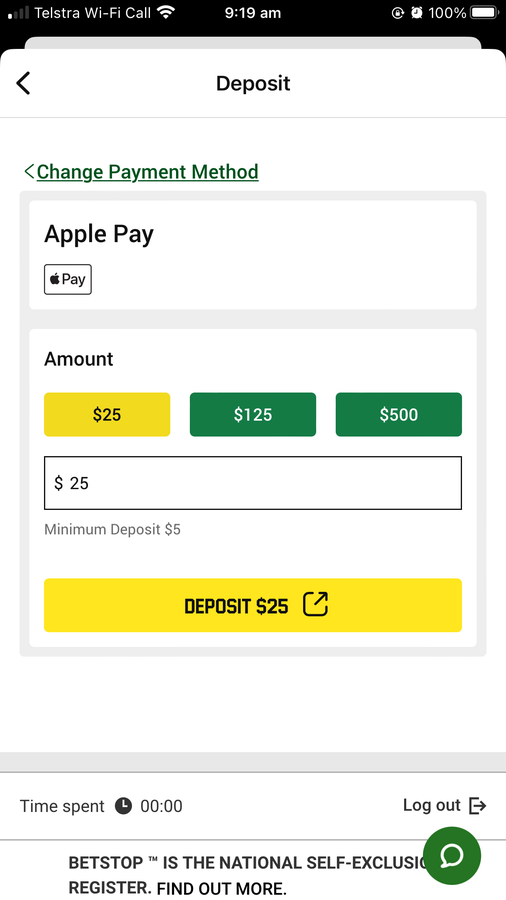
Despite these challenges, some innovative betting platforms are beginning to embrace Apple Pay and other mobile payment solutions. As demand for convenience and security grows, operators are exploring ways to circumvent the regulatory and financial hurdles associated with mobile payments. For instance, leveraging robust regulatory compliance frameworks can provide peace of mind for both operators and users, allowing for the introduction of Apple Pay into their payment ecosystems.
Forward-thinking platforms are also enhancing user experience by integrating seamless checkout processes that include Apple Pay, making it appealing for users who value speed and convenience. By doing so, these platforms aim to differentiate themselves in a competitive market, capturing the attention of a tech-savvy audience.
Future of Apple Pay in Online Betting
Looking ahead, the future of Apple Pay in the online betting realm is contingent on several factors, including evolving regulations, consumer preferences, and technological advancements. As the gambling industry becomes more attuned to the needs of its users and the push for innovative solutions persists, we may see a gradual acceptance of Apple Pay and similar payment methods in the online betting space.
Additionally, as more jurisdictions adopt regulated online gambling frameworks, it could facilitate the integration of mobile payment solutions, allowing for a more inclusive and flexible payment environment. Forward-striving betting platforms must remain agile and responsive to these changes, positioning themselves to capitalize on new payment trends.
Conclusion
While Apple Pay has revolutionized payment processing in many sectors, its role in online betting remains constrained by legal, financial, and perceptual factors. The online betting landscape is dynamic, and the increasing consumer demand for mobile payments could eventually drive more operators to adopt solutions like Apple Pay. As we reflect on the current state of mobile payments in betting, it is crucial for both consumers and operators to stay informed about the evolving regulatory environment, technological innovations, and shifts in user preferences that will shape the future of online gambling transactions.