
Empowering Change: The Role of Nonprofit Organizations in Society
Nonprofit organizations play a crucial role in shaping societies and fostering positive change across the globe. These entities operate without the primary goal of making profits; instead, they focus on a broader mission that often seeks to address social, environmental, and humanitarian issues. With millions of nonprofits worldwide, their impact can be felt in various sectors, from education and healthcare to environmental conservation and disaster relief. To nonprofit organizations learn more about how these organizations contribute to local and global communities, it is essential to understand their fundamental characteristics, how they operate, and the challenges they face.
Understanding Nonprofit Organizations
At their core, nonprofit organizations exist to serve a public or mutual benefit. They can take various forms, including charities, foundations, educational institutions, and religious organizations. Unlike traditional businesses, nonprofits do not have shareholders and do not distribute profits to owners or stakeholders. Instead, any surplus generated is reinvested into the organization’s mission, making it possible to expand services or develop new programs.
The Importance of Mission-Driven Work
One of the defining characteristics of a nonprofit is its mission statement. This statement articulates the purpose of the organization, outlining specific goals and the communities they aim to serve. Nonprofits strive to create a positive impact, whether through advocacy, service delivery, or raising awareness about critical issues. For instance, organizations like the American Red Cross focus on providing emergency assistance, while others, such as the World Wildlife Fund, dedicate their resources to environmental conservation.

Funding and Sustainability Challenges
Despite their noble goals, nonprofit organizations often face significant challenges, particularly regarding funding. Many nonprofits rely on donations, grants, and fundraising efforts to sustain their operations. This reliance can create financial instability, especially during economic downturns or crises (such as the COVID-19 pandemic), which can lead to reduced donations. Moreover, the competition for limited funding sources can make it challenging for nonprofits to secure the resources needed to fulfill their missions.
The Role of Volunteers
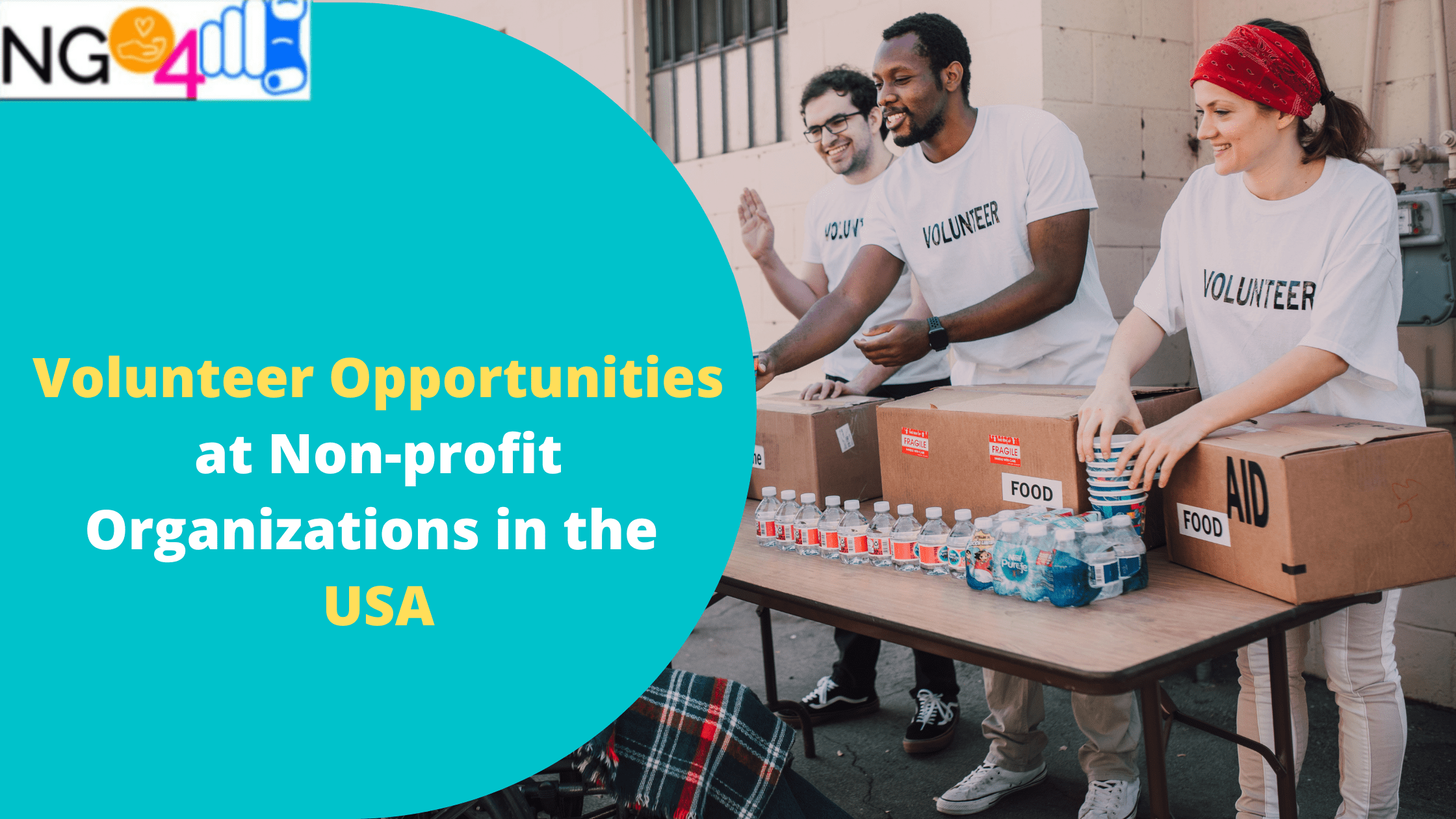
Volunteers are the backbone of many nonprofit organizations. Their commitment and passion drive many initiatives, from organizing events and fundraising campaigns to providing direct services to communities. By leveraging volunteer labor, nonprofits can expand their reach and impact without incurring significant costs. Importantly, volunteering also nurtures a sense of community and engagement, enabling individuals to contribute to causes they care about.
Innovative Solutions and Technology
In today’s digital age, technology plays an increasingly important role in the operations of nonprofit organizations. Many nonprofits harness social media platforms to raise awareness, engage with supporters, and mobilize resources quickly. Innovative solutions, such as crowdsourcing and online fundraising, allow nonprofits to reach a broader audience and secure essential funding in creative ways. Additionally, technology helps streamline administrative tasks, allowing nonprofits to focus more on their mission-driven work.
Global Impact of Nonprofits
The influence of nonprofit organizations extends beyond borders. International nonprofits, such as Doctors Without Borders and Save the Children, work in multiple countries to provide essential services, advocate for policy changes, and support marginalized communities. These organizations often collaborate with local groups to ensure their efforts are culturally sensitive and effective. By addressing critical issues such as poverty, health care access, education, and refugee assistance, these nonprofits play a vital role in promoting global health and well-being.
Nonprofit Accountability and Transparency
Accountability and transparency are essential for building trust with donors, volunteers, and the communities served. Many nonprofit organizations prioritize ethical practices and undergo regular audits to demonstrate their commitment to responsible stewardship of funds. Certification bodies and evaluation organizations help assess and communicate the effectiveness of nonprofits, allowing supporters to make informed decisions about where to invest their resources.
Advocacy and Systemic Change
In addition to providing direct services, many nonprofit organizations engage in advocacy to drive systemic change. This can involve lobbying for policy reforms, raising awareness about social issues, and partnering with other organizations to amplify their voices. Advocacy work is critical in addressing root causes of problems rather than just treating symptoms. For instance, environmental nonprofits often advocate for legislation that promotes sustainable practices and protects natural resources.
Future of Nonprofit Organizations
As society continues to evolve, so too will the landscape of nonprofit organizations. The increasing reliance on technology and social media to engage supporters, alongside the need for innovative funding solutions, suggests that nonprofits must adapt to remain relevant and effective. Additionally, as global challenges become more complex and interconnected, collaboration among nonprofits, governments, and businesses will be vital for creating sustainable solutions.
Conclusion
Nonprofit organizations are indispensable in fostering change and improving lives worldwide. They bring together passionate individuals who share a commitment to addressing pressing social issues and promoting the welfare of communities. Despite their challenges, the resilience and adaptability of nonprofit organizations ensure that they will continue to make a meaningful impact for years to come. By supporting nonprofits through donations, volunteering, or advocacy, individuals can play a pivotal role in empowering these organizations to fulfill their critical missions.